Foreign visitors arriving at Bangkok’s Suvarnabhumi Airport are once again experiencing lengthy waits at immigration, with processing times reportedly reaching two to three hours during busy arrival periods. Tourism industry representatives say stricter security screening and an ongoing shortage of immigration officers are creating significant delays at Thailand’s busiest international gateway.
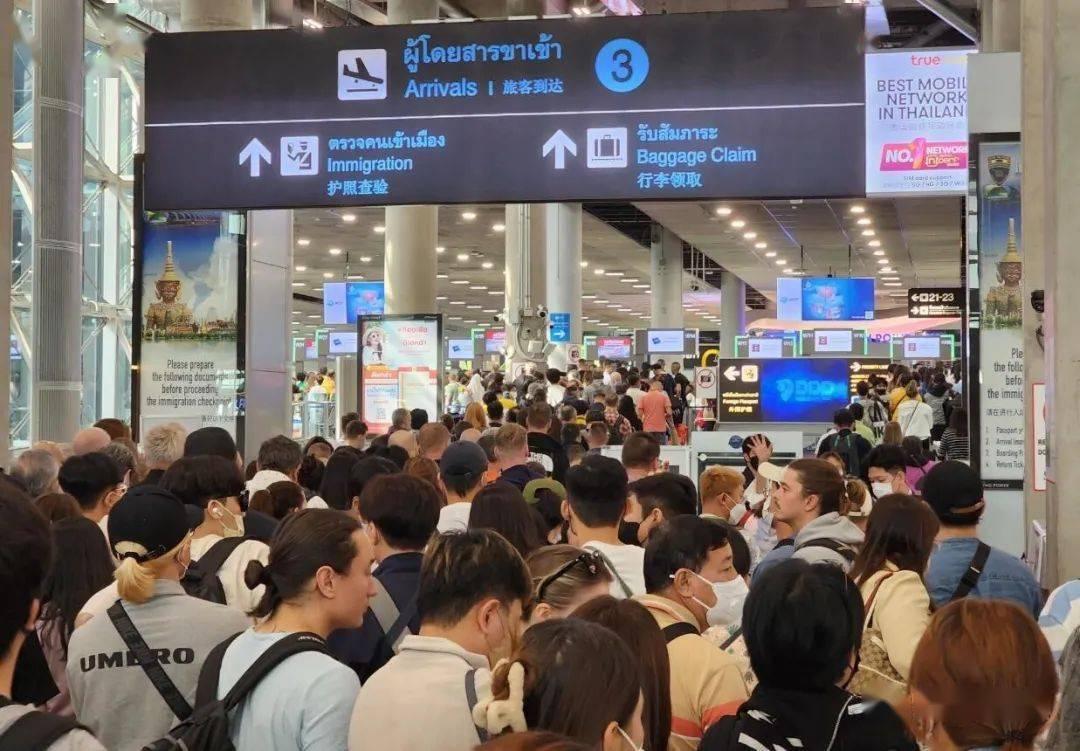
According to tourism industry sources, the long queues have become a growing concern as international passenger numbers continue to increase. The delays are most noticeable during peak flight arrival times, when large numbers of passengers reach immigration simultaneously.
Industry representatives say one reason for the longer processing times is increased scrutiny by Thai authorities. Immigration officers are carrying out more detailed checks as part of wider efforts to combat transnational crime, suspected Chinese “grey capital” networks, and the misuse of immigration procedures.
In Thailand, the term “grey capital” is commonly used to describe businesses or investment linked to criminal activity, money laundering, or other illegal operations. Officials have stepped up enforcement in recent years as part of broader efforts to improve border security and tackle organised crime.
The enhanced screening process means immigration officers spend more time reviewing each traveller’s documents. Passengers with incomplete paperwork or cases requiring additional verification can further slow the flow of arrivals, particularly during busy periods.
Authorities have also tightened controls on unofficial services that previously helped some travellers move through immigration more quickly for a fee. These services, which reportedly charged several hundred baht per person, have become far less common following inspections and stricter enforcement, leaving most passengers to use the standard immigration queues.
For tourists, expatriates, and foreign residents returning to Thailand, the reported delays highlight the importance of planning extra time after arrival. Travellers are advised to keep passports, visas, arrival information, and any supporting travel documents readily available to help reduce processing time where possible. Those with connecting domestic flights, airport transfers, or scheduled appointments should also consider allowing additional time after landing.
A source at Airports of Thailand Plc (AOT), the state-owned company responsible for managing Thailand’s major international airports, reportedly said staffing remains one of the biggest challenges. While Suvarnabhumi Airport has expanded its facilities and increased the number of immigration counters, there are still not enough immigration officers to keep pace with the growing number of international arrivals.
Tourism businesses warn that extended immigration waits risk damaging Thailand’s reputation at a time when the government is working to strengthen the tourism sector, which remains one of the country’s most important economic drivers. Industry representatives are calling for increased staffing, improved screening procedures, and greater use of technology to speed up passenger processing without compromising security.
As Thailand continues to welcome increasing numbers of international visitors, efficient immigration processing remains an important part of the travel experience. With Suvarnabhumi Airport serving as the country’s main international gateway, many in the tourism industry believe reducing arrival delays should remain a priority to maintain Thailand’s reputation as one of Asia’s leading tourism and aviation hubs.