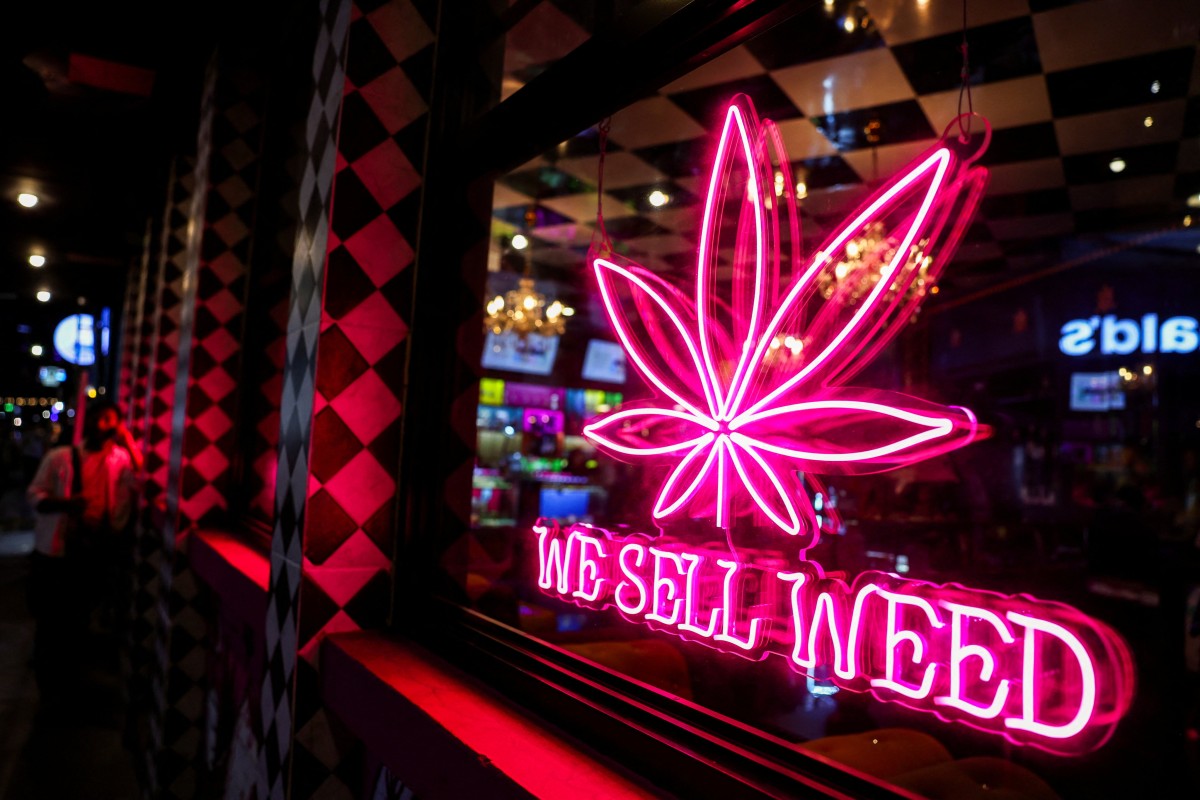
Thailand’s cannabis regulation entered a stricter phase in 2025, leading to the closure of more than 7,000 cannabis shops. Health officials say new rules focus on medical use while protecting patients and local communities.
Thailand Cannabis Regulation and Government Policy
Public Health Minister Pattana Promphat announced the changes after Cabinet approval of a new ministerial regulation covering controlled herbs, including cannabis. In Thailand, ministerial regulations define how national laws operate in daily practice.
The minister stated that the 2016 rules no longer aligned with the current size and structure of the cannabis market. He said tighter oversight was needed for commercial exports, sales, and processing to protect consumers and reduce local disruptions.
Thailand Cannabis Regulation and Who Can Sell
Under the updated Thailand cannabis regulation, only specific facility types qualify for licences. These include medical facilities, pharmacies, herbal product retailers, and the workplace of a licensed traditional healer. Traditional healers form part of Thailand’s long-established alternative medicine system.
Doctors will prescribe cannabis for treatment. Trained staff will dispense it. The ministry said Thailand has enough qualified medical professionals to support this system nationwide.
Shops with valid licences may continue operating until expiry. All renewals and new applications must meet the new criteria once the regulation takes effect.
Thailand Cannabis Regulation and Shop Closures
Official figures show 18,433 cannabis related businesses nationwide as of December 28, 2025. During 2025, licences for 8,636 shops expired. Only 1,339 operators applied for renewal, about 15.5 per cent.
Another 7,297 shops did not seek renewal. This left an estimated 11,136 active establishments. The ministry said 4,587 licences will expire in 2026 and 5,210 in 2027.
Thailand Cannabis Regulation and Operating Standards
The new Thai cannabis regulation raises standards for licensed premises. Businesses must control odour and smoke to avoid disturbing nearby residents. Operators must own the property or hold legal rights to use it.
Storage rules require a dedicated warehouse area. Cannabis must stay separate to avoid contamination. Businesses must control temperature and humidity, avoid direct sunlight, and keep products off the floor.
Each site must have at least one trained worker on duty at all times. Training comes from the Department of Thai Traditional and Alternative Medicine, a government agency overseeing traditional health practices.
Thailand’s cannabis regulation will apply to all renewals and pending applications once in force. Existing licences remain valid until expiry. Health officials say the changes aim to strengthen oversight while ensuring patients continue to receive cannabis for medical treatment across the country.