Thailand Alcohol Sales Ban Lifted as Government Weighs Longer Nightlife Hours
Thailand has lifted the 2–5pm alcohol sales ban , marking the end of a rule in place since 1972. Officials say ending the Thailand alcohol sales ban will boost tourism and help the economy during the year-end festive season.
Decades-Old Rule Ends After Criticism
The National Alcohol Policy Committee announced on 13 November that the Thailand alcohol sales ban will no longer apply once new regulations are issued. Deputy Prime Minister Sophon Sarum said the policy, originally aimed at preventing government workers from drinking during office hours, no longer matches modern behavior.
The reversal came only days after the Alcoholic Beverage Control Act reaffirmed the rule and introduced fines of at least 10,000 baht for violations. Business groups and tourism operators had strongly opposed the measure, arguing it hurt hospitality revenue.
Government Links Change to Tourism Growth
Sophon said removing the Thailand alcohol sales ban supports tourism during key travel periods such as New Year and Songkran, Thailand’s April water festival. He noted that strict alcohol rules could deter visitors during these celebrations, which are central to Thailand’s tourism economy.
Longer Nightlife Hours Under Review
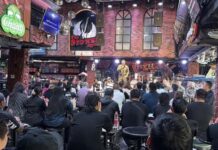
The government is also considering extending nightlife hours. The tourism sector wants bars and clubs to stay open until 4am, while health officials warn about higher accident risks between 2am and 3am. Current Ministry of Interior rules set closing times at 2am, with some zones—like parts of Bangkok, Phuket, and Pattaya—already allowed later hours.
Sophon said any extension must align with these existing regulations. He added that communities promoting alcohol-free zones should be encouraged through positive incentives rather than blanket bans.
Consultations to Finalize the Policy
Officials will decide on a new nationwide closing time after reviewing data and holding consultations. Once approved, the change can be issued directly by the Prime Minister’s Office, followed by a 15-day public hearing.
Tourism operators see the end of the Thailand alcohol sales ban as a sign of greater flexibility and alignment with international visitor expectations, balancing economic goals with public health priorities.