
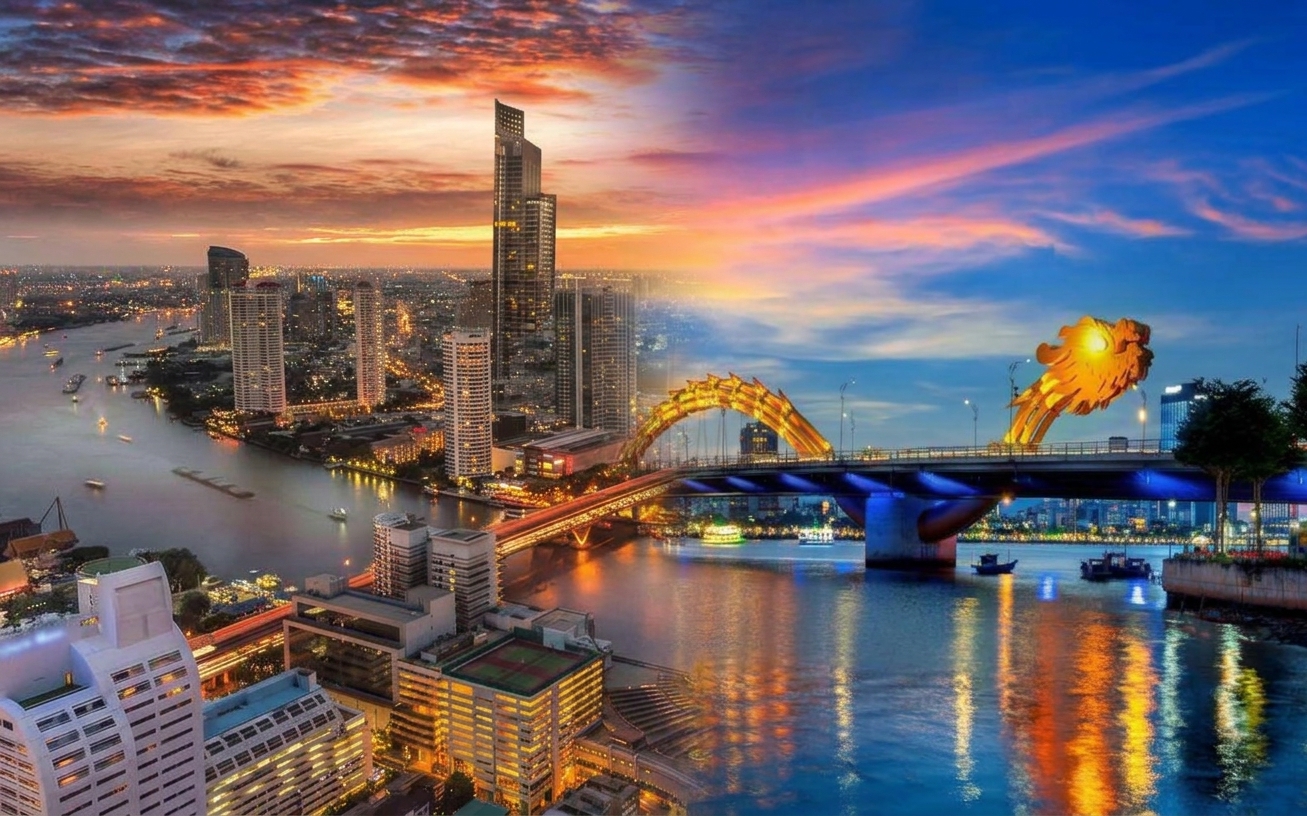
For decades, Thailand has been one of Southeast Asia’s undisputed tourism powerhouses. From the nightlife of Bangkok and Pattaya to the beaches of Phuket, the islands of the south and the cultural attractions of the north, the country has built an international reputation as one of the world’s most popular holiday destinations.
But its position is coming under increasing pressure, and one regional rival is making particularly impressive gains.
Vietnam is rapidly closing the gap on Thailand’s international visitor numbers. While Thailand continues to attract millions of holidaymakers, its tourism industry has struggled to regain the momentum it enjoyed before the Covid-19 pandemic. Vietnam, meanwhile, is recording strong growth and attracting increasing attention from international travellers.
The figures raise an uncomfortable question for Thailand. Is the country beginning to lose its tourism edge?
Thailand vs Vietnam: How the Numbers Have Changed
The difference between the two countries was enormous before the pandemic.
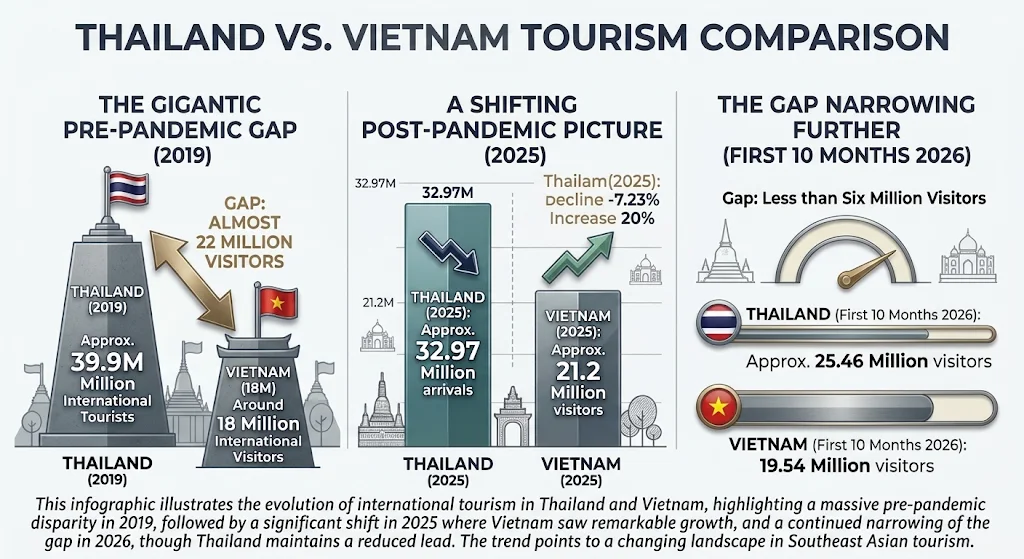
In 2019, Thailand welcomed approximately 39.9 million international tourists, compared with around 18 million in Vietnam. Thailand enjoyed a lead of almost 22 million visitors, firmly establishing itself as one of Asia’s leading tourism destinations.
However, the picture has changed considerably.
In 2025, Thailand recorded approximately 32.97 million international arrivals, representing a decline of 7.23% compared with 2024. Vietnam welcomed approximately 21.2 million international visitors, an increase of around 20% year on year.
The latest figures show the gap narrowing further.
During the first 10 months of 2026, Thailand attracted approximately 25.46 million international visitors, while Vietnam recorded 19.54 million.
The difference now stands at less than six million visitors.
Vietnam is still some distance behind Thailand, but its growth trajectory is attracting attention across the regional tourism industry.
Why Is Vietnam Becoming More Attractive?
There are several reasons why Vietnam is gaining ground, and some of them highlight areas where Thailand needs to improve.
1. Better Value for Money
One of Vietnam’s biggest advantages is affordability.
Accommodation, restaurants, transport and everyday expenses often offer excellent value compared with Thailand’s established tourist destinations.
Thailand is no longer the bargain destination it once was. Hotels, restaurants, beach clubs, nightlife venues and tourist attractions in popular locations have become increasingly expensive.
The strength of the Thai baht has also created additional pressure on foreign visitors, particularly those travelling on tighter budgets.
For tourists comparing two destinations offering beaches, nightlife, restaurants and warm weather, the overall cost of a holiday matters.
Vietnam is increasingly winning that comparison.
2. Vietnam Is Making It Easier to Visit
Vietnam has been actively expanding its visa-free entry arrangements and electronic visa system.
Its 45-day visa exemption for citizens of numerous eligible countries has helped make longer holidays easier to arrange. Its electronic visa arrangements also provide access for visitors from a much wider range of nationalities.
Thailand has introduced its own visa concessions, but frequent policy changes and confusion surrounding entry requirements have created frustration in some markets.
Tourists want straightforward travel arrangements. Countries offering simpler entry procedures have an advantage.
3. Safety and Reputation Problems
Thailand has a reputation problem which its tourism authorities cannot afford to ignore.
International headlines involving scams, kidnapping fears, human trafficking, tourist assaults, road accidents and questionable business practices have damaged confidence in certain visitor markets.
The kidnapping of Chinese actor Wang Xing, who was lured into a scam compound in Myanmar after travelling through Thailand in January 2025, generated considerable concern among Chinese travellers.
Although Thailand was not the location of the scam compound, the incident contributed to negative perceptions about regional travel safety.
Vietnam is benefiting from a stronger perception of safety among some international visitors.
Thailand needs to recognise that tourist confidence is difficult to rebuild once it has been damaged.
4. Vietnam Is Investing in Its Tourism Industry
Vietnam has been investing heavily in transport infrastructure, airports, roads, hotels and major tourist developments.
New international flight connections and expanding airline capacity are making more destinations accessible.
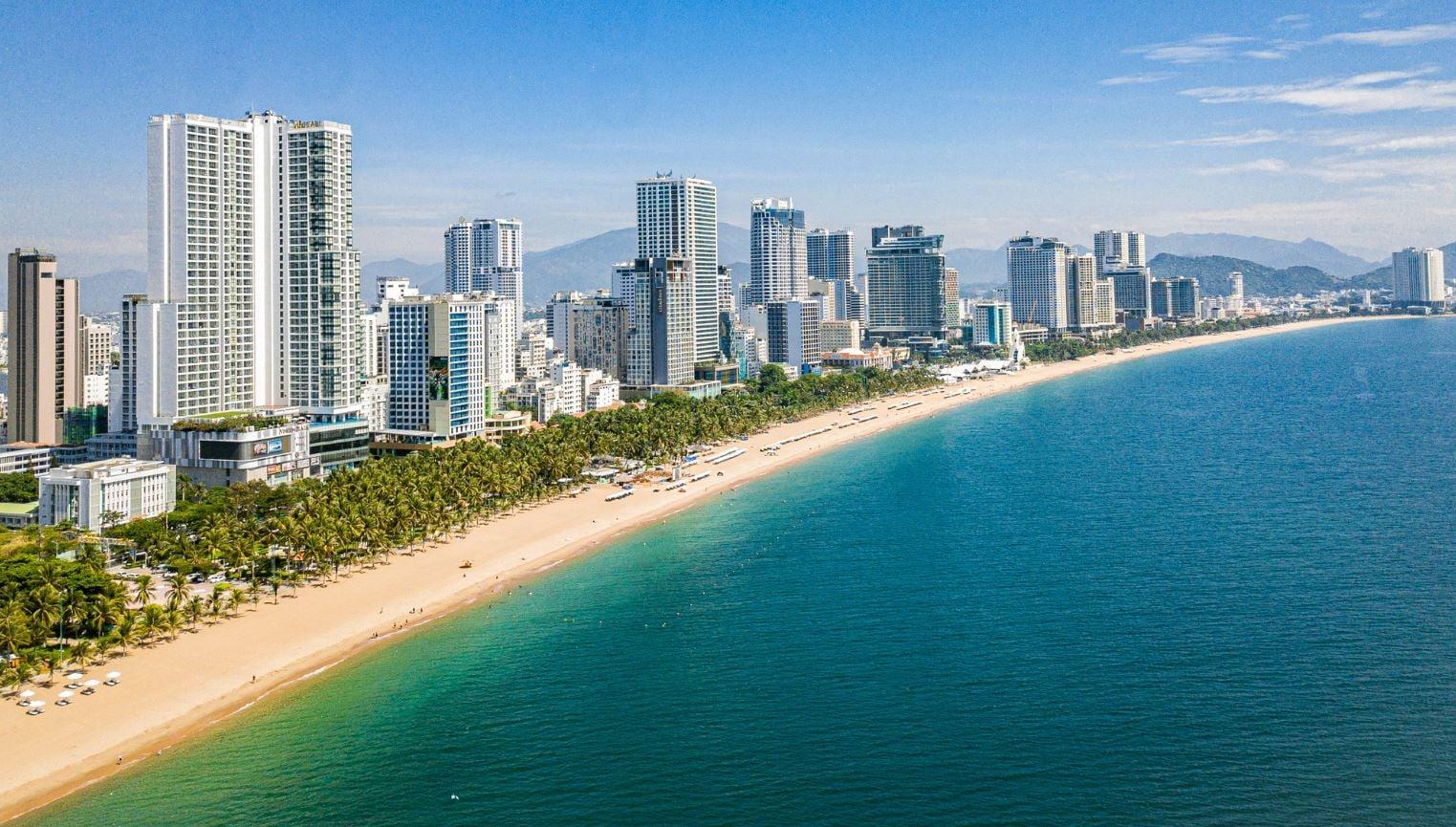
Places such as Da Nang, Hoi An, Nha Trang, Phu Quoc and Ho Chi Minh City are attracting increasing numbers of international visitors.
Vietnam is also developing its tourism identity beyond traditional beach holidays, promoting cultural attractions, food, nature, adventure tourism and city breaks.
Thailand has an established tourism infrastructure and remains ahead in several areas, particularly international connectivity and the range of established tourism services. However, its competitors are catching up.
5. Thailand’s Overreliance on Established Tourist Markets
Thailand’s difficulties have also been exposed by its changing visitor markets.
Chinese tourism was once one of the country’s biggest sources of international visitors. In 2019, approximately 11 million Chinese tourists visited Thailand.
The market suffered a significant setback following the pandemic, and the recovery has been slower than the industry hoped.
In 2025, Chinese arrivals fell by approximately 33.6% compared with 2024, to around 4.47 million.
Although Chinese arrivals have recovered somewhat during 2026, Thailand remains heavily dependent on restoring confidence in this important market.
Meanwhile, Vietnam is attracting growing numbers of visitors from several international markets, reducing its reliance on any single source of tourists.
Has Thailand Become Too Expensive?
This is an issue many returning visitors have been discussing for years.
Bangkok, Phuket, Pattaya and other established tourist destinations have seen significant changes in pricing.
Hotel rooms, restaurants, entertainment, transport and nightlife have become increasingly expensive in some areas.
There is nothing wrong with Thailand wanting to attract wealthier tourists and increase tourism revenue. However, there is a danger in pricing out the very visitors who helped establish its international tourism industry.
For example, a visitor comparing a holiday in Pattaya with one in Vietnam might find that their money stretches considerably further in Vietnam.
Thailand needs to ask itself whether its prices still represent good value for the experience being offered.
Tourists have choices, and they are increasingly willing to explore alternatives.
Is Thailand Losing Its Tourism Identity?
There is another issue worth considering.
Thailand’s international appeal was built on a combination of affordability, hospitality, entertainment, food, beaches, nightlife and a relatively relaxed holiday experience.
However, some long-established tourist destinations appear to be struggling with the balance between attracting higher-spending visitors and retaining the atmosphere which made them popular in the first place.
Pattaya provides an interesting example.
Its nightlife, entertainment venues, beer bars and international visitor community helped establish the city as one of Southeast Asia’s most recognisable tourist destinations.
Yet rising operating costs, higher prices, changing customer demographics and increasing competition are putting pressure on parts of the traditional nightlife industry.
The same wider question applies to Thailand’s tourism industry. Is it improving the visitor experience, or simply becoming more expensive?
Attracting wealthier tourists is a reasonable strategy, but it should not come at the expense of the country’s existing appeal.
Thailand Still Has Plenty Going for It
Despite these concerns, writing off Thailand would be premature.
The country retains major advantages over Vietnam, including an established international tourism brand, extensive hotel infrastructure, world-class resorts, excellent restaurants, extensive nightlife options and a well-developed domestic transport network.
Bangkok remains one of Asia’s most popular city destinations, while Phuket, Koh Samui, Chiang Mai and Pattaya continue to attract visitors from around the world.
Thailand also has decades of experience catering to international tourists.
Vietnam is growing quickly, but it still faces infrastructure pressures, congestion and inconsistencies in tourism services as visitor numbers increase.
The competition is not necessarily a case of one country winning and the other losing. Both destinations have enormous potential.
However, Thailand cannot afford to become complacent.
What Does Thailand Need to Do?
If Thailand wants to protect its position as one of Southeast Asia’s leading tourism destinations, several areas deserve urgent attention.
- Improve value for money. Visitors need to feel they are getting a fair deal on accommodation, food, transport and entertainment.
- Restore confidence in tourist safety. Crack down on scams, illegal businesses, tourist exploitation and criminal activity.
- Maintain consistent visa policies. Avoid confusing travellers and tourism operators with frequent policy changes.
- Improve transport connectivity. More direct international flights and better regional connections would help attract visitors.
- Protect Thailand’s tourism identity. Continue supporting the destinations, businesses and entertainment options which made the country popular.
- Improve service standards. Competitive prices mean little if the overall visitor experience falls short.
Thailand does not need to reinvent itself. It needs to recognise that international travellers have more choices than ever before.
Is Vietnam the Future of Southeast Asian Tourism?
Vietnam’s rapid growth should serve as a wake-up call for Thailand.
In 2019, Thailand attracted almost 22 million more international visitors than Vietnam. By the first 10 months of 2026, the difference had fallen to fewer than six million.
Thailand remains the larger tourism destination, but the direction of travel is clear.
Vietnam is investing, expanding and attracting new visitors, while Thailand is dealing with declining arrivals, weaker spending and growing competition.
The big question is whether Thailand’s tourism authorities and businesses will address these problems before more visitors decide to take their holidays elsewhere.
Thailand has the attractions, infrastructure and international reputation to remain a tourism powerhouse. But reputation alone will not guarantee future success.
The days when tourists automatically chose Thailand over its regional competitors are no longer guaranteed.
And if Vietnam continues to close the gap, Thailand’s tourism industry might eventually find itself asking a question it would have considered unthinkable just a few years ago.
Has Thailand lost its crown as Southeast Asia’s favourite tourist destination?